


Why Air Conditioning Units Should Be Set to "Auto" for Effective Indoor Humidity Control
January 13, 2026
When it comes to maintaining a comfortable and healthy indoor environment,
temperature control is often the first thing that comes to mind

However, humidity plays a crucial role in how comfortable and breathable the air feels. High humidity can make the air feel warmer than it is, leading to discomfort, while low humidity can cause dryness, irritation, and even damage to furniture or electronics. Air conditioners, when set to "Auto," are actually designed to help manage both temperature and humidity levels effectively.
Here's why keeping your AC unit on "Auto" is crucial for proper indoor relative humidity control.
One of the key benefits of air conditioning systems is that they don't just cool the air—they also remove moisture. When warm, humid air passes through the cooling coil in the AC, the air cools down, and water vapor in the air condenses into droplets, which are then drained out. This process is called dehumidification.
- Continuous Dehumidification: When your AC is set to "Auto," it runs the compressor and fan in sync. As the air is cooled, moisture is naturally removed, keeping the indoor humidity at a comfortable level.
- Efficient Moisture Removal: In "Auto" mode, the system automatically adjusts its operation based on the temperature and humidity levels, ensuring that moisture is removed without overcooling or undercooling the space. This is particularly important in Florida.
In contrast, if the AC is set to "Fan" mode, the cooling cycle isn't engaged. This means the compressor isn’t running, so the system won’t remove moisture from the air, even though the fan is circulating it. As a result, the humidity may remain high, making the space feel clammy or uncomfortable.
When set to "Auto," the air conditioner runs based on the thermostat’s readings and maintains a comfortable indoor environment both in terms of temperature and humidity. In this mode:
- Optimal Humidity Balance: The system automatically cycles on and off, cooling the air and removing moisture only when necessary, which helps maintain a comfortable level of humidity (generally between 30-50%).
- Prevents Overcooling: If the AC is set to "Fan" mode, the cooling cycle isn’t active, meaning the unit might continue circulating humid air without adequately removing moisture. As a result, you might feel too warm and sticky. Alternatively, an overactive dehumidifier (from excessive cooling in manual or "Cool" mode) could over-dry the air, leading to discomfort like dry skin, itchy eyes, and static electricity buildup.
"Auto" mode strikes a balance by turning off the cooling cycle once the desired humidity and temperature levels are reached, preventing the air from getting too dry while still providing comfort.
Humidity can fluctuate throughout the day depending on external weather conditions, internal activities (like cooking, showering, or drying clothes), and the air conditioning’s cooling cycle. In "Auto" mode, the thermostat continuously monitors both temperature and humidity, allowing the air conditioning unit to adjust accordingly.
- Responsive to Environmental Changes: When humidity levels rise (for example, on a hot, humid afternoon), the AC will activate to cool the air and remove moisture, restoring the indoor environment to a more comfortable state.
- Prevents Overcooling or Under-Dehumidification: If you run the AC on "Fan" mode, the unit won't adjust to these fluctuations, which means you might experience too much humidity or excessive dryness, depending on the time of day or outside conditions.
With "Auto" mode, the system is responsive and keeps the indoor environment consistent, preventing uncomfortable changes in humidity.
Humidity plays an important role in indoor air quality. Excess humidity can encourage the growth of mold, mildew, and dust mites, which thrive in damp environments. Too little humidity, on the other hand, can lead to dry nasal passages, throat irritation, and respiratory discomfort.
- Humidity Control Helps Prevent Mold: By maintaining balanced humidity levels, an AC in "Auto" mode helps prevent the conditions that promote mold and mildew growth, reducing the risk of indoor allergens that can trigger respiratory issues or allergies.
- Cleaner, Fresher Air: Since air conditioners also filter the air as they cool it, "Auto" mode will ensure that the air you breathe is not only temperature-controlled but also filtered and dehumidified, improving overall air quality.
In Florida, with our high humidity, especially coastal regions and during the summer months, air conditioners can help maintain comfortable indoor conditions by regulating both temperature and humidity levels. Humidity makes the air feel warmer than it actually is, leading to discomfort, sweating, and increased energy usage as you try to stay cool.
- Sustained Comfort: With "Auto" mode, the AC works as a combined temperature and humidity control system, ensuring that the space is both cool and dry without overcooling or under-dehumidifying. This is essential for feeling comfortable in places where both temperature and humidity levels fluctuate often.
- Improved Sleep Quality: For those who sleep in areas with high humidity, the constant fluctuation in moisture levels can interfere with rest. By using "Auto" mode, the AC helps keep the room’s humidity steady, preventing discomfort that could disturb sleep, such as feeling too sticky or too dry.
You might assume that "Fan" mode, which keeps the fan running constantly, could help reduce energy usage, but this is not the case when considering humidity control. In fact, "Fan" mode does not provide any dehumidification, leading to higher indoor humidity and discomfort. You may feel the need to adjust the temperature lower, making the AC work harder to cool the room without removing moisture.
- Auto Mode for Efficiency: When the AC is in "Auto" mode, the compressor and fan only run as needed to maintain the desired temperature and humidity. This is the most energy-efficient setting for controlling both temperature and moisture levels, as the system runs at full capacity when required, but doesn’t waste energy when the ideal environment is already achieved.
Conclusion
Setting your air conditioning unit to "Auto" mode is essential for effective indoor humidity control. It ensures that the system cools and dehumidifies the air simultaneously, maintaining comfortable and balanced humidity levels that improve both comfort and air quality. In contrast, using the "Fan" setting may leave humidity levels unchecked, leading to an environment that feels either too humid or too dry, potentially causing discomfort and poor air quality.
Reference:
For optimal comfort, health, and energy efficiency, keeping your AC in Auto mode ensures that both temperature and humidity are constantly monitored and adjusted as needed, providing the most balanced, efficient, and comfortable indoor climate.
As always, we are here to help! Call us today 888-707-7763
Why "Energy Saving" Fan Settings Can Backfire in Florida

Humidistat vs. Thermostat: Why Both Matter in Florida Homes When you think about staying comfortable indoors, the first device that comes to mind is usually the thermostat . After all, Florida’s hot climate makes air conditioning essential for daily life. But temperature is only half the battle. Florida’s humidity levels, often hovering between 60–90% outdoors, can sneak inside your home and affect your comfort, your health, and even your house itself. That’s where a humidistat comes in. Understanding the difference between a thermostat and a humidistat can help you manage Florida’s unique climate more effectively. What a Thermostat Does in Florida A thermostat controls your air conditioning and heating system, keeping your home at a comfortable temperature. Primary Purpose: Prevents your home from feeling too hot or cold. In Florida: Most homeowners rely on thermostats almost exclusively for cooling. AC systems run heavily during long, hot summers. Limitations: While AC systems remove some humidity as a byproduct of cooling, they aren’t designed to control moisture levels directly. On especially humid days, your home may feel sticky even if the temperature is set to 72°F. What a Humidistat Does in Florida A humidistat measures and regulates indoor humidity levels, usually in conjunction with a humidifier, dehumidifier, or integrated HVAC system. Primary Purpose: Keeps humidity in a healthy range, typically between 40–60% indoors. In Florida: High humidity is a year-round issue. Without a humidistat, excess moisture can lead to: Mold and mildew growth Musty odors Warped wood floors or furniture Increased allergy and asthma symptoms Bonus: A humidistat can prevent your AC from running unnecessarily when the real problem is humidity, not temperature—saving energy and money. If you'd like to discuss further, please call us 888-707-7763 Thanks, Petrina
Until the development of the Aeroseal duct sealing technology, there was no efficient or notable effective method of sealing remote leaks in HVAC ducts. In the past, we have crawled attics feeling and looking for leakage, but only if it was accessible. Aeroseal changed all that! We can now seal ductwork from the inside-out! With documentable results! Signs of duct leakage can include particularly hot or cold rooms, dark lines on the edges of carpets, temperature changes between floors, uncomfortable rooms due to different humidity levels, dirt streaks from supply diffusers or severe allergies when inside. Residential duct leakage is prevalent and a significant source of HVAC energy waste across the country. Aeroseal can help lower energy bills (on average, a homeowner can save between $300-$1000 or 5% to 30%) Aeroseal can reduce temperature variations between rooms and floors, reduce humidity in rooms and fix hot or cold rooms issues. Aeroseal can help improve indoor air quality by reducing pollutants, allergens and dust entering the air stream from wall cavities or attics. Call us today at (888) 707-7763 to find out how investing in your home by sealing ductwork leaks can return in energy savings and give you increased comfort in your home.

If you have an HVAC system in your home, you should take the time to learn about the misconceptions about cleaning it so you can stay safe and healthy.

For the health and safety of everyone in your home and business, it’s important that you know about air duct contamination and what you can do to stop it.
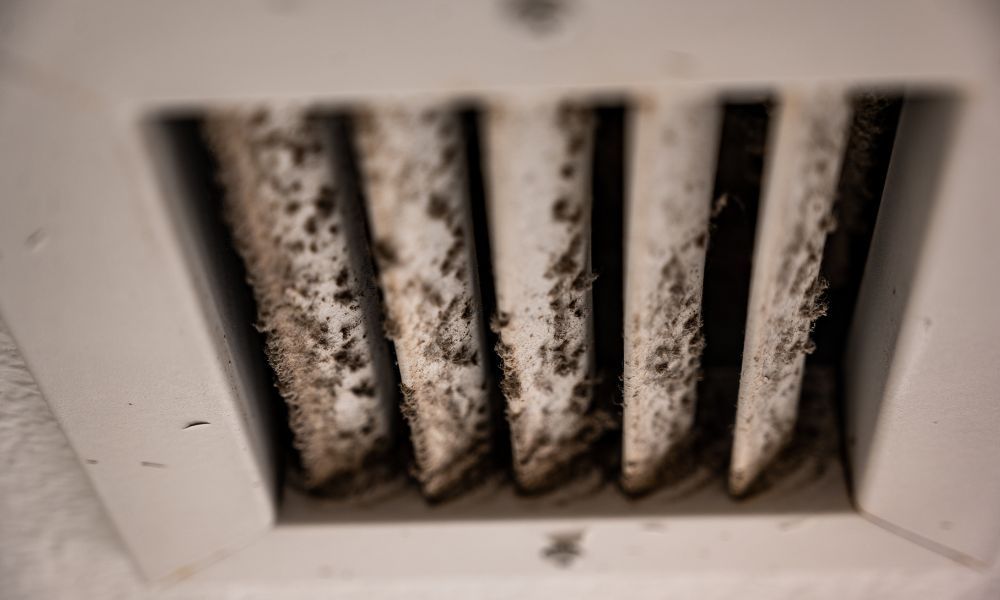
No one wants mold in their home, but most people forget to check their air ducts. Here are some ways to tell if your duct system may have mold.
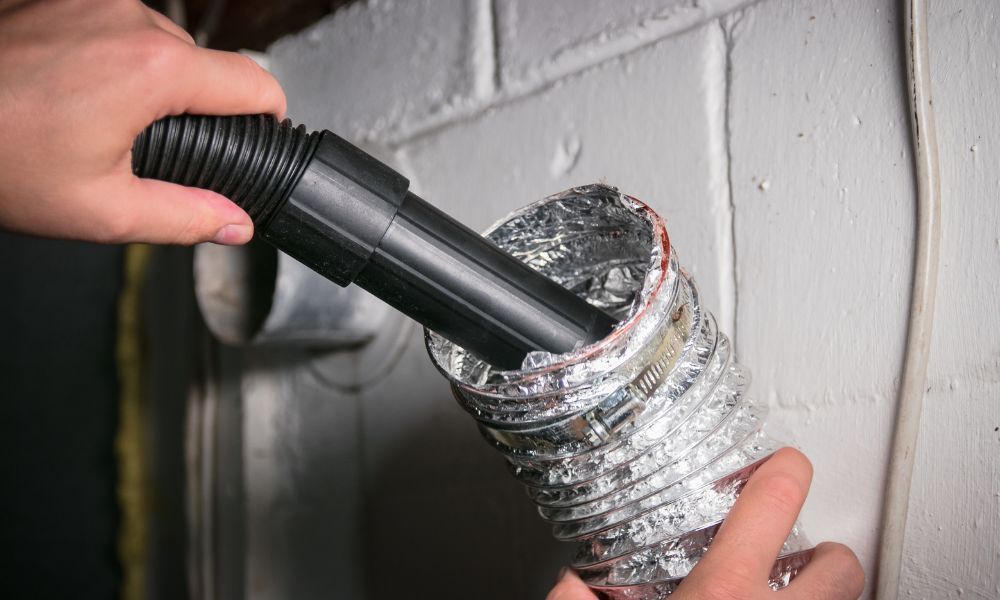
If you own a dryer and don’t have a professional come and clean its vents, you should first know why so many people hire them for this important job.
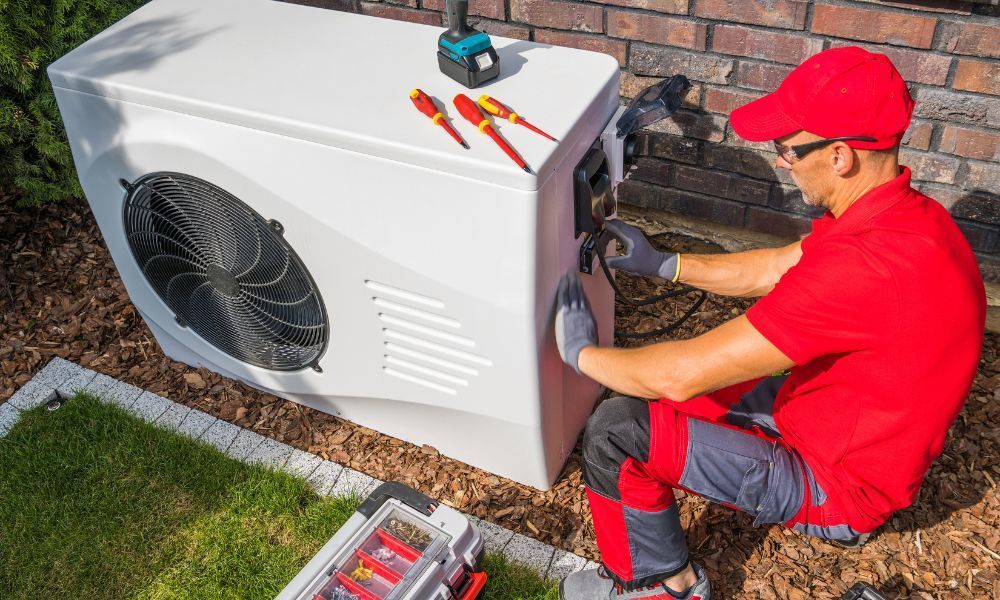
Your AC in your own home needs regular maintenance to stay in working order, which is why you should know these tips to find the best AC maintenance company.
If you own an AC system that is causing problems, you may not be able to fix it yourself. Here are the common problems you should leave to professionals.
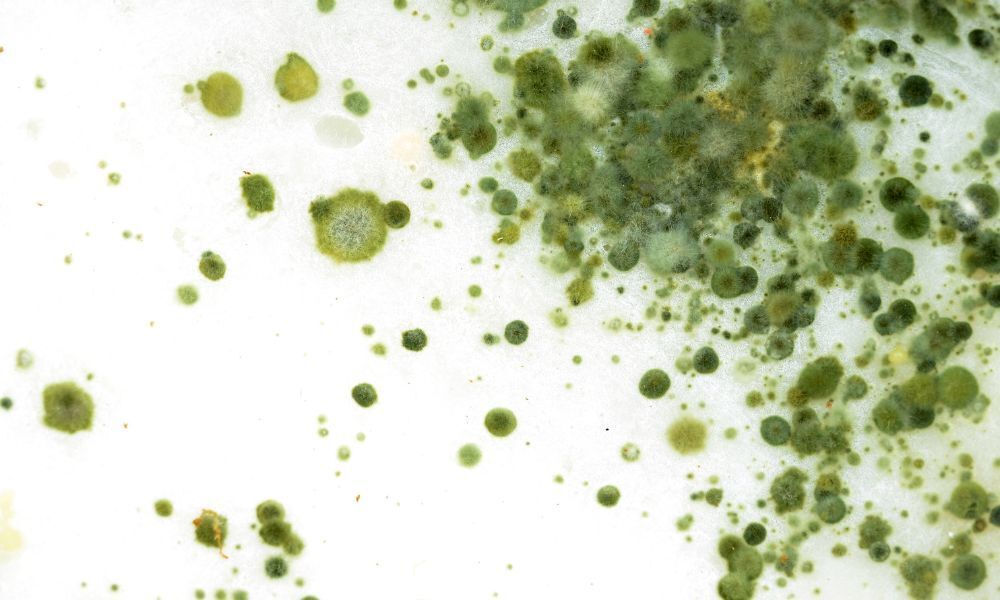
If you utilize an HVAC system in your own house and you live in Florida, then you should learn how you can protect your home from mold growth.